
BY LMG | SEP 24, 2026 | ARTICLES
For the last decade, artists have walked into production meetings asking for the same thing without a precise way to describe it. They want the show to look cinematic. They have seen it in a music video, or a streaming special, or a film, and they want the audience in the room and the audience at home to see something closer to that than to a standard broadcast feed.
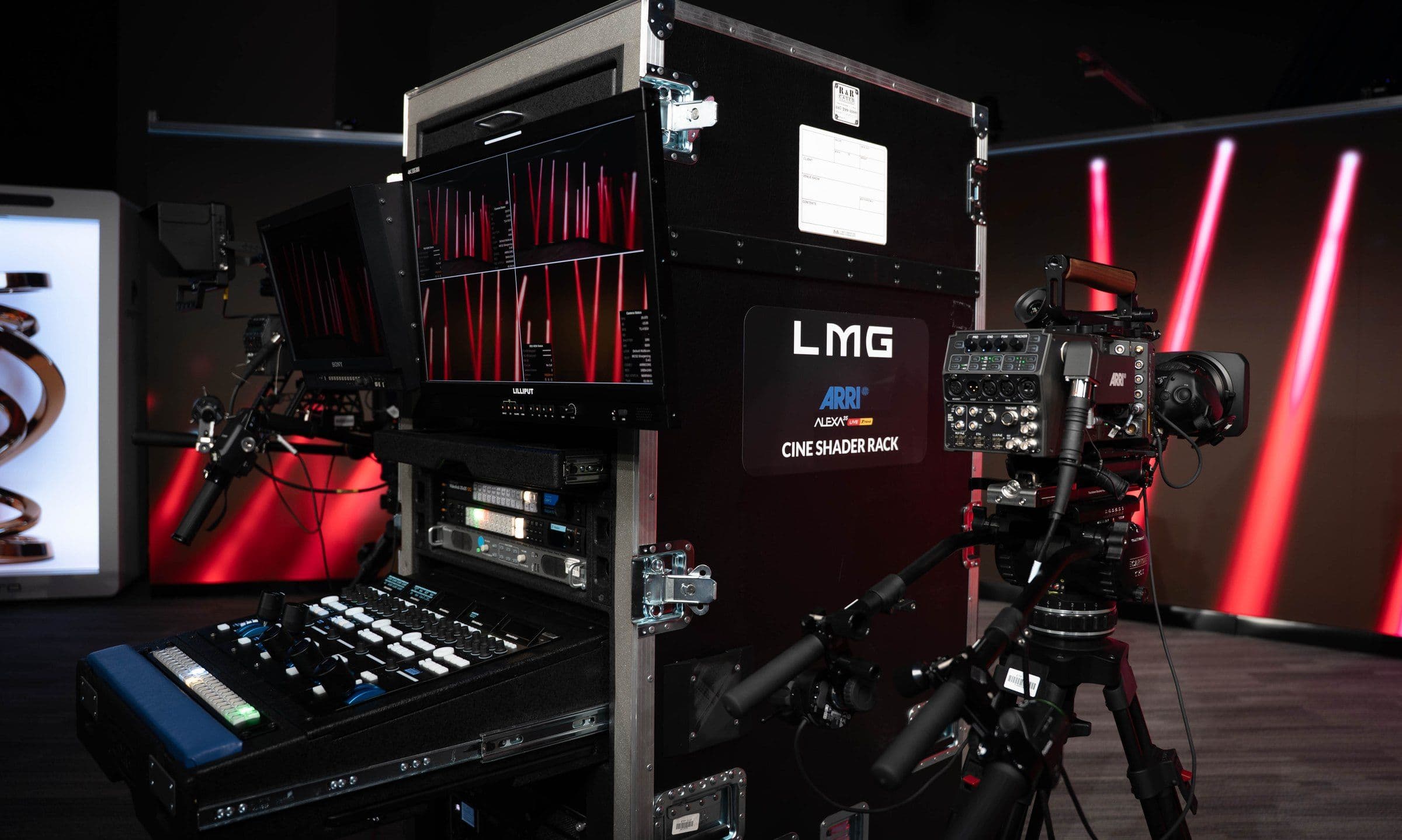
Delivering it live has been the hard part. LMG has added four complete ARRI ALEXA 35 Live Multicam Systems to its inventory to close that gap, along with a purpose-built processing package designed to bring every other camera on the show along with them.
A bigger sensor changes the picture
The difference starts with the sensor. Broadcast cameras have been built around 2/3 inch sensors for decades, and for good reason. They are reliable, they hold deep focus across a wide stage, and the entire live production ecosystem grew up around them. LMG's existing camera fleet is built on that standard and will continue to be.
The ALEXA 35 Live uses ARRI's Super 35 ALEV 4 CMOS sensor at 4.6K, with 17 stops of dynamic range and the ARRI color science behind a long list of feature films. Put the right glass in front of it and light the stage properly, and the image behaves differently. Subjects separate from the background. Highlights roll off instead of clipping. A hard lighting cue with a moving head pointed at camera resolves as color rather than a white hole in the frame.
That last point matters more than the shallow depth of field most people reach for first. Concert lighting is a punishing dynamic range problem: a face at moderate level, a wall of LED behind it, bright fixtures in the same frame. More stops means more of that survives to the screen.
The camera alone does not create the look. Lensing, lighting design, operating and grading all carry weight. What the sensor and color science do is raise the ceiling on what the rest of that work can achieve.
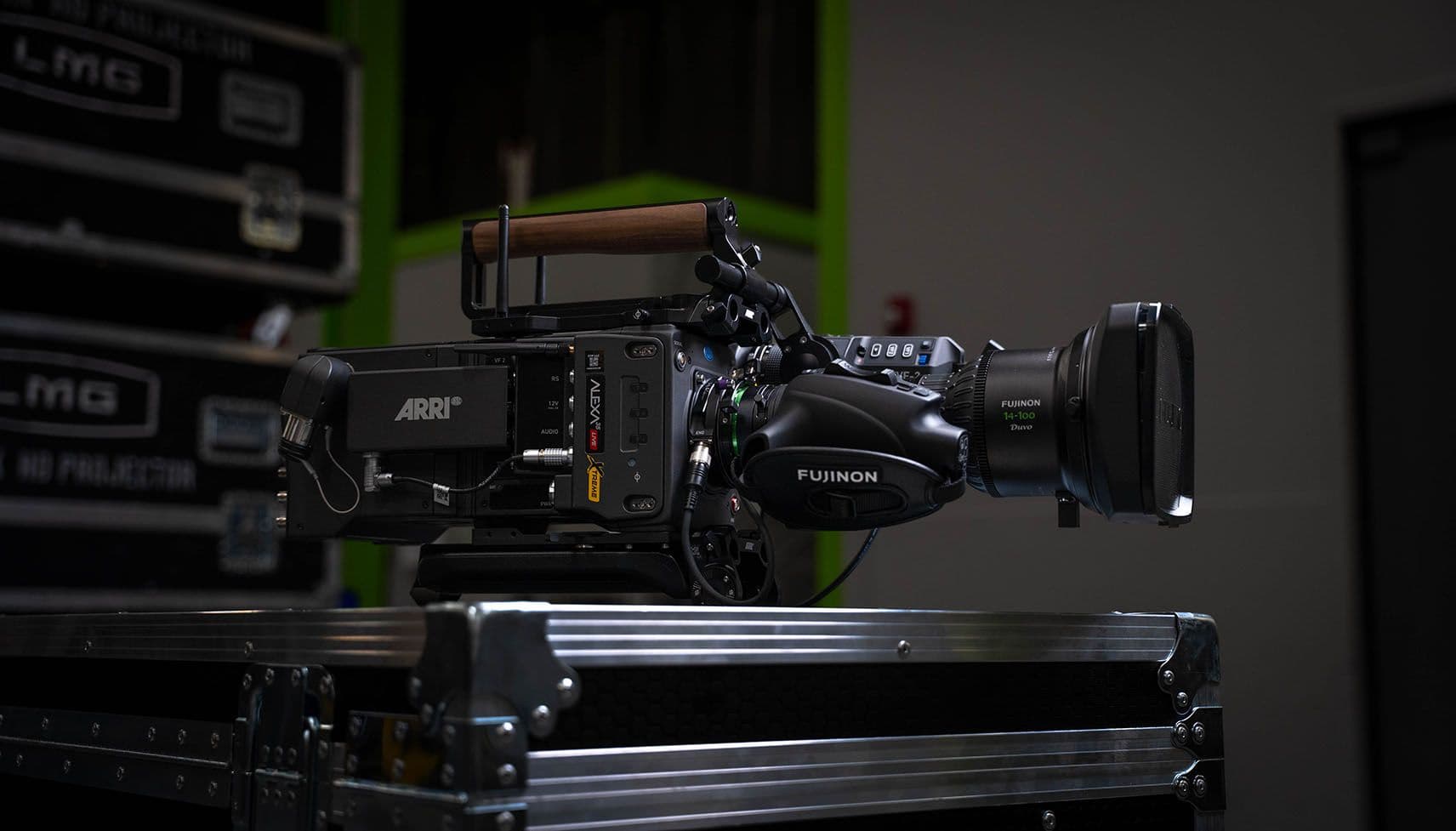
Broadcast infrastructure, cinema imaging
The camera is only half of what ARRI built. The other half is everything behind it.
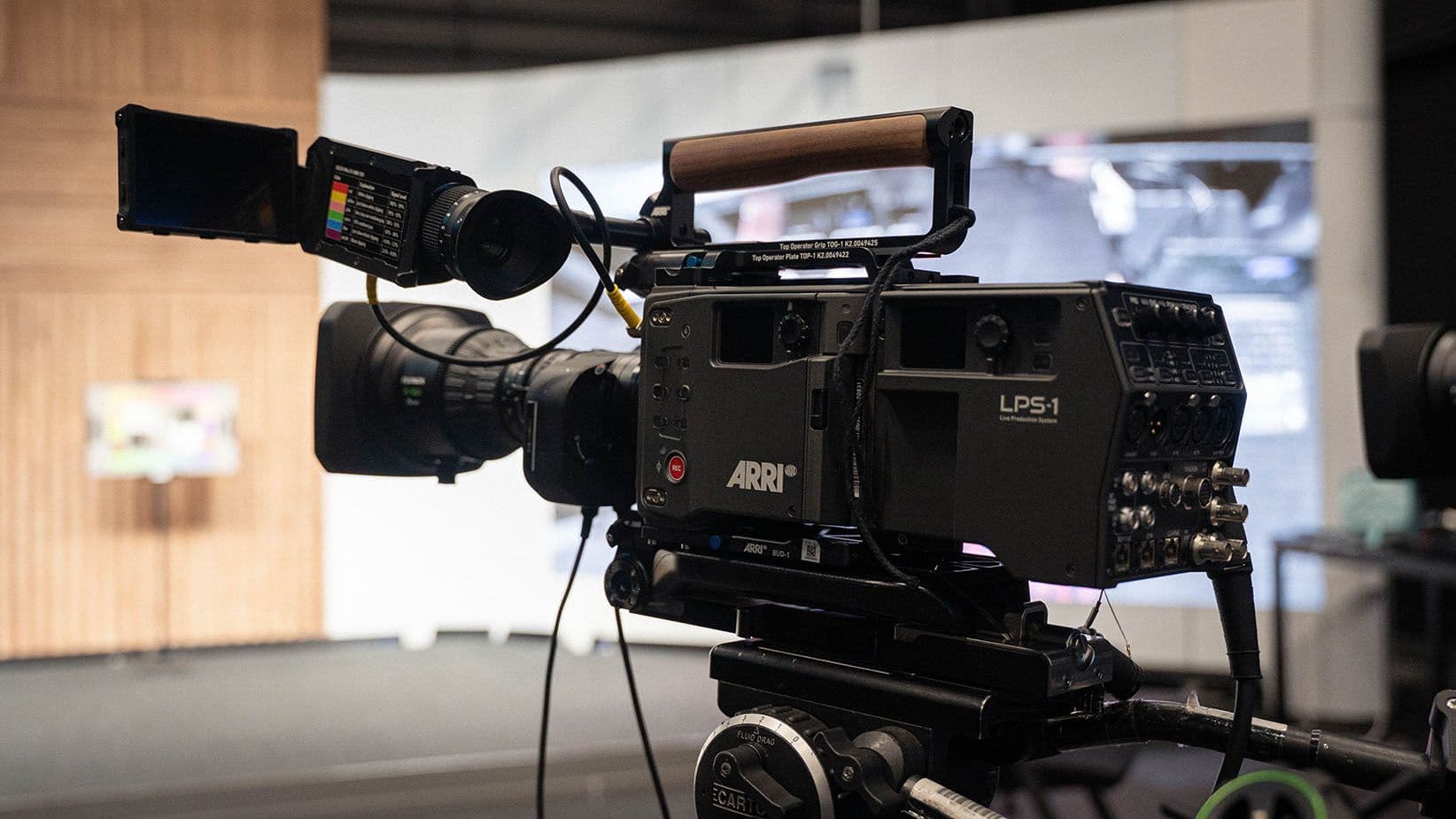
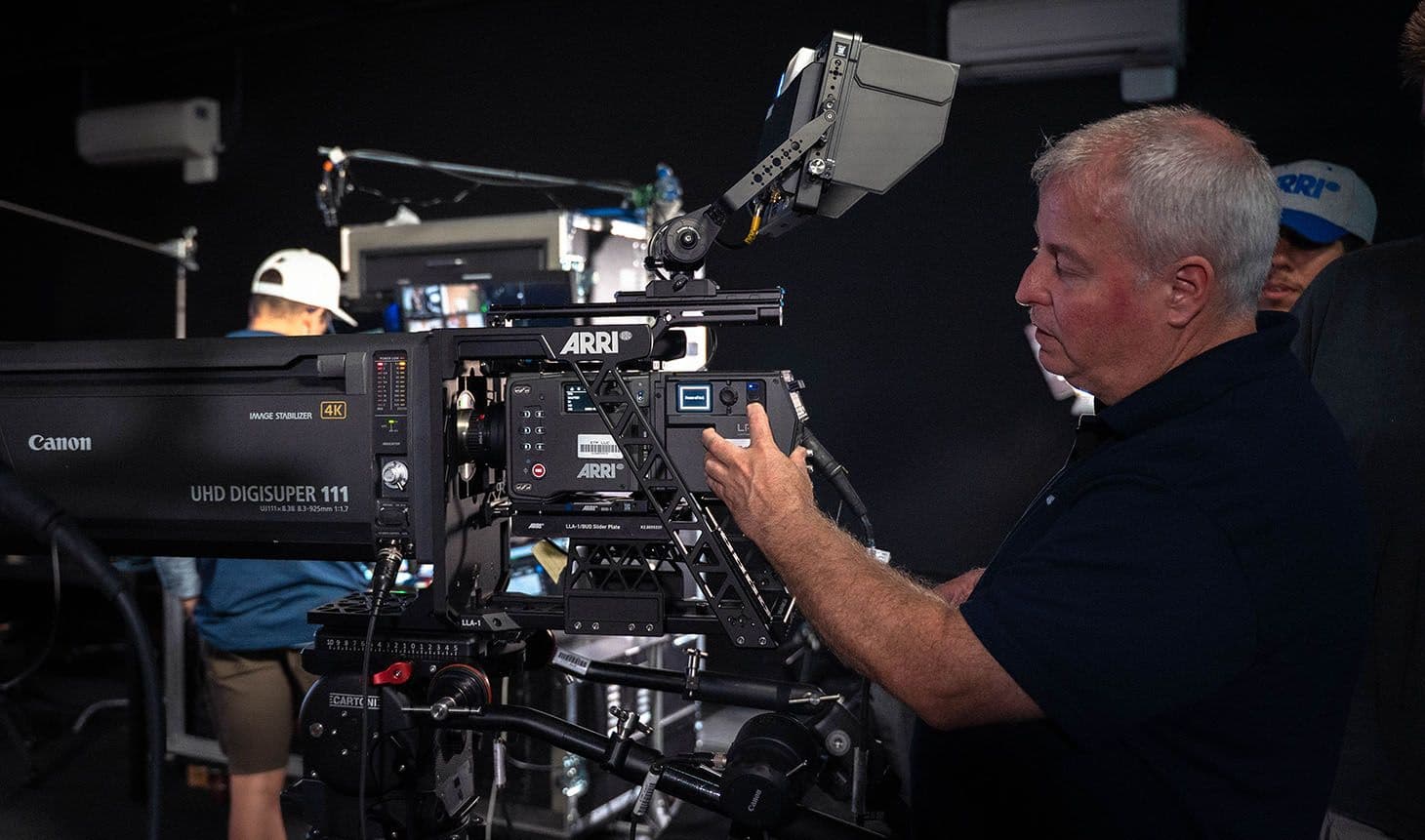
A cinema camera on a live show has historically meant improvising: running SDI, guessing at matching, and accepting that the camera was never designed for a multi-camera environment. The ALEXA 35 Live changes that. The LPS-1 Live Production System mounts to the back of each camera and connects to a fiber base station over a single SMPTE hybrid cable, the same signal flow, power delivery and infrastructure a broadcast multi-camera show already runs on. Camera control lives on a Skaarhoj RCP panel at the rack, and every control on a Skaarhoj is mappable. Iris, exposure, matrix, look and texture sit where the shader wants them rather than where a menu puts them, and the panel gets programmed around the show instead of the other way around.
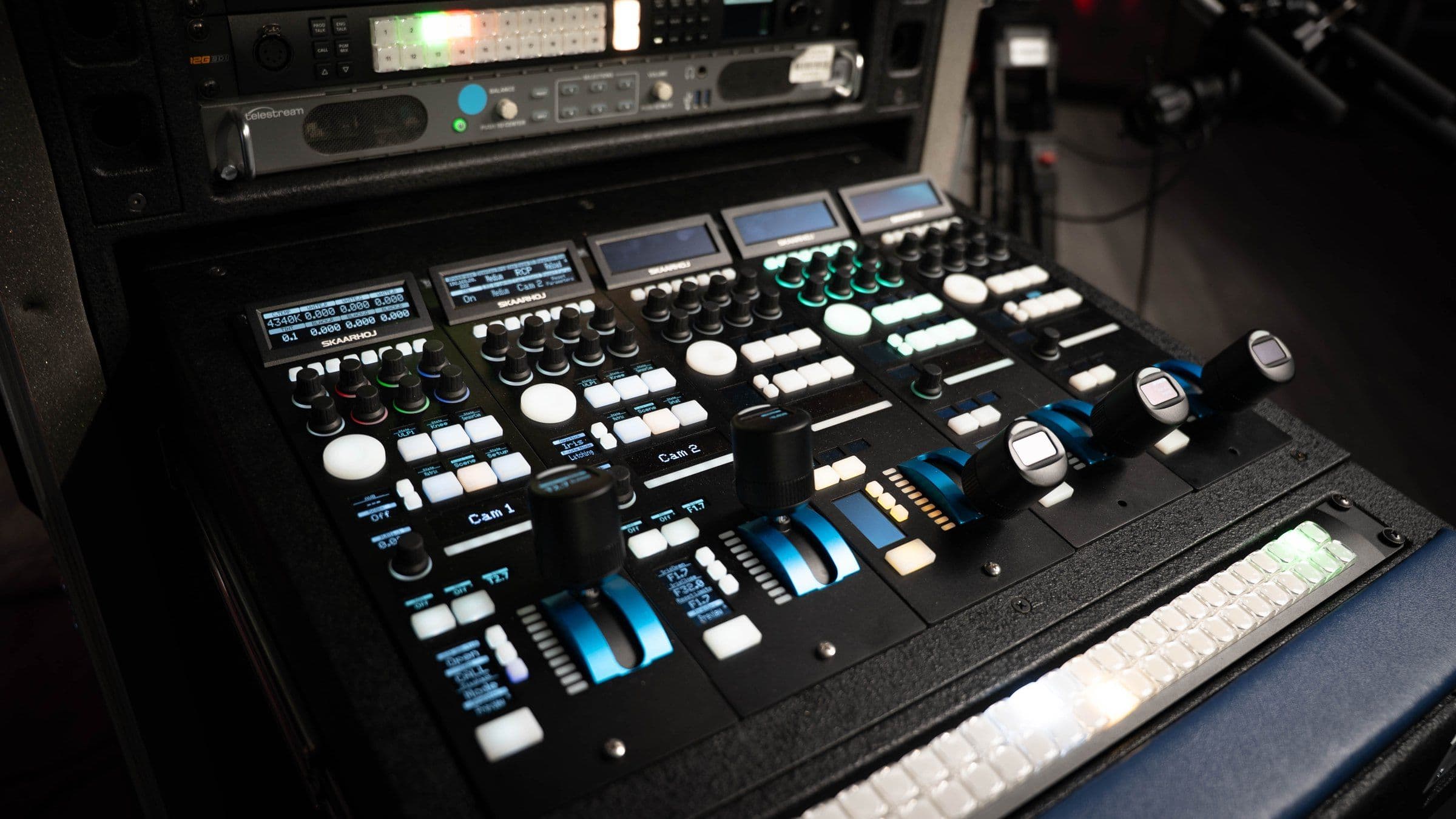
The result is that the color work moves forward in time. On a film, a colorist shapes the image over weeks of post production. Here, look selection, matching and grading happen live, in the room, while the show is running, across every camera at once.
ARRI Textures push that further still. Beyond LUTs and looks, the system can apply film grain characteristics in camera, so footage carries the texture of an emulsion rather than the flat cleanliness of digital video. For a DP, that means an editorial decision about the finished look of the image gets made while the show is happening rather than months later by someone else.
Two shows at once
The system also runs multiple signal paths simultaneously, which is where it separates from most of the field. Each camera can record internally in log or ARRIRAW at full resolution while simultaneously outputting a separately graded feed at a different format for IMAG, and another for a broadcast or streaming path. Several competing cinema systems force a choice between recording internally and operating in a live multi-camera environment. This one does not.
For a tour, that means one camera package can serve the screens in the arena and capture broadcast quality masters on the same night, with a different look on each path if the creative calls for it. An artist who decides eighteen months later to cut a special has footage worth cutting.
That flexibility drove the design of the whole package. The rack was built to accommodate IMAG properly and records properly, and to distribute multiple looks at the same time, rather than optimizing for one at the expense of the other.
Glass
LMG paired the cameras with Fujinon Duvo PL zooms, including 14-100 wide angle zooms, and added PL to B4 adapters so its existing long throw box lenses remain in play from the back of the house. The Duvo line is currently the only broadcast-style servo zoom family built in PL mount, which makes it the practical choice for crews who need to operate these cameras the way they operate a broadcast camera: on sticks, with a servo grip, framing and following the show the way live camera operators already work.
That is a deliberate philosophy. This is cinematic broadcast, not a film unit dropped into an arena. The operators work the way live operators work. The cinematic result gets built downstream.
The hard part is everything else
Four cameras do not make a show. A tour package might carry nine or ten positions, including PTZ units in the truss, POV cameras on stage, and specialty rigs that will never share a sensor size with an ALEXA. If those cameras do not hold up when the director cuts to them, the cinematic look collapses on the first wide.
That is the problem the industry has been chasing for ten years, and LMG built for it directly. A companion processing rack pairs six AJA ColorBox units in a Ross openGear frame with a Mac based system running DaVinci Resolve and Pomfort LiveGrade Pro, giving the video team multi-camera live grading control well beyond what individual camera menus provide. The goal is straightforward: skin tone from one camera to the next should match, cut to cut, across the entire plan.
People have been trying to do cinematic multi-camera live for the last ten years. The biggest challenge has always been getting every camera to match when the director cuts to it. That is the problem this package is built to solve.
— Rick Price, Systems Manager, Video, LMG
Proven at the largest possible scale
The proof of concept arrived in May on the biggest stage in broadcast. Twenty-four ALEXA 35 Live cameras shot the Eurovision Song Contest at the Wiener Stadthalle in Vienna for Austrian broadcaster ORF, the largest broadcast deployment in ARRI's history. ARRI's team built roughly 50 looks during rehearsals in collaboration with each delegation's creative team, then switched them shot by shot in real time through an automated control system tied to the show's lighting and cues.
The result was a four hour live broadcast in which each performance carried its own graded identity, with no post production between the camera and the audience. Rick Price, LMG's Systems Manager for Video, was in Vienna to see it while LMG was still weighing the purchase.
I was in Vienna for it while we were still making this decision. Watching it, you would swear you were looking at a post-produced music video, down to fifteen frame cuts. All of it was live. That was when I knew this was the real deal.
— Rick Price, Systems Manager, Video, LMG
Trained and ready
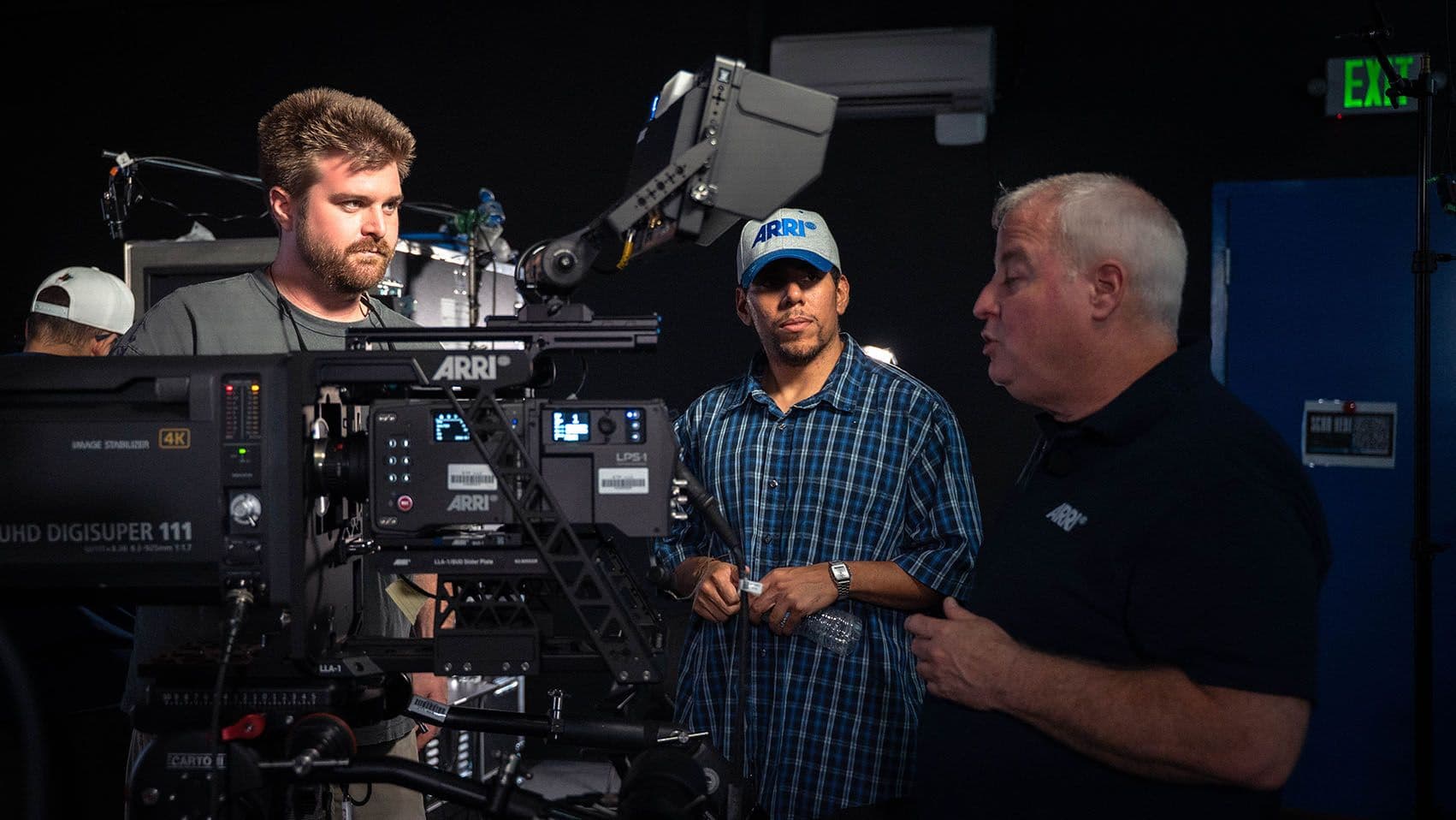
LMG crews have completed training on the systems with ARRI at the CoiL Learning Center in Orlando, working through camera setup, control surface programming, matching workflow and the adapters that put LMG's existing long throw box lenses on the new bodies.
The ARRI package is available now for touring, live event and broadcast productions.
The ask from artists has not changed. What has changed is the answer.


